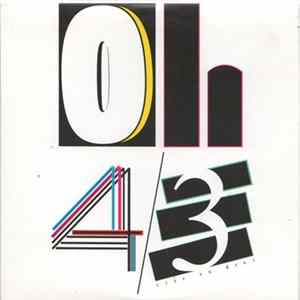






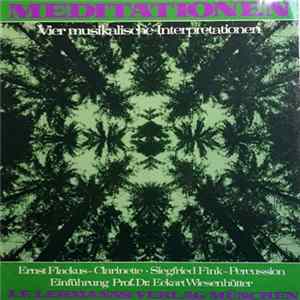
Ernst Flackus, Siegfried Fink - Meditationen (Vier Musikalische Interpretationen) FLAC
Tracklist
| 1 | B. L'apres-midi | 10:25 |
| 2 | C. Le Soir | 11:56 |
| 3 | A. Le Matin | 13:10 |
| 4 | D. La Nuit | 13:05 |
| 5 | Meditationen (Vier Musikalische Interpretationen) |
Credits
- Clarinet – Prof. Ernst Flackus
- Percussion – Siegfried Fink
Notes
© München, 1973
Includes an eight page booklet.
Barcodes
- Matrix / Runout (Label side A): A-1427 A/C 3 A
- Matrix / Runout (Label side B): A-1427 B/C 3 A
- Matrix / Runout (Runout side A, stamped): A-1427 A1/S3A Made in Germany
- Matrix / Runout (Runout side B, stamped): A-1427 B1/S3A Made in Germany
- Other: ISBN 3-469-0047-9
Companies
- Copyright (c) – J. F. Lehmanns Verlag
Album
lehmanns verlag, schall und ton in der medizin, 1973. Lehmanns Verlag , Schall Und Ton In Der Medizin. Flackus, Siegfried Fink. Le Soir. Ernst Flackus, Siegfried Fink. la Nuit. Siegfried Fink was born 1928 in ZerbstAnhalt East Germany and studied percussion and timpani as well as composition at the Music University Franz Liszt in Weimar. When people in the German Democratic Republic called his music, which was partly influenced by jazz, decadent, and when they wanted to force him to obey the official GDR guide read more. Main Album. Siegfried Fink: Pictures For Percussion. Release Date. Rondo - Allegro barbaro. Siegfried Fink. Polythytmia-Ensemble Sofia. Siegfried Fink: German percussionist, composer and professor. He is recognized as an important figure in the development of the professional percussion scene in Germany after World War II. Impressions for Solo Marimba Batu Ferringhi: Sita, Marche grotesque, Nanigo funebre и другие песни. 1-2, 4: Neu bearb. von dr. Hugo ernste Gesänge Four Serious Songs, Op. 121, is a cycle of four songs for bass and piano by Johannes Brahms. As in his Ein deutsches Requiem, the texts are compiled from the Luther Bible. Three songs deal with death and the transience of life, while the fourth has an outlook of faith, hope and charity. Brahms composed the work in Vienna in 1896 and dedicated it to Max Klinger. The songs were premiered there in the presence of the composer by baritone Anton Sistermans and pianist Coenraad V. Robert Lepages production for the Metropolitan Opera doesnt help