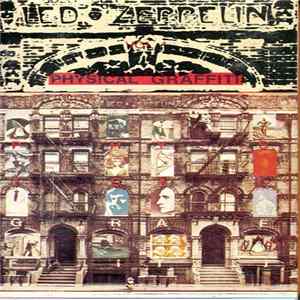
Led Zeppelin = レッド・ツェッペリン - Physical Graffiti = フィジカル・グラフィティ (2xLP, Album, Ltd)
Swan Song
P-5163~4N
Japan
1975
SS 2-200
Led Zeppelin
Physical Graffiti (2xLP, Album, RE, SRC)
Swan Song
SS 2-200
US
1987
SS 2-200
Led Zeppelin
Physical Graffiti (2xLP, Album, Unofficial, Pur)
Swan Song
SS 2-200
Europe
Unknown
Credits
Words By, Music By – Page, Bonham, Jones, Plant
Barcodes
Rights Society: BIEM/ZAIKS
Video
Album
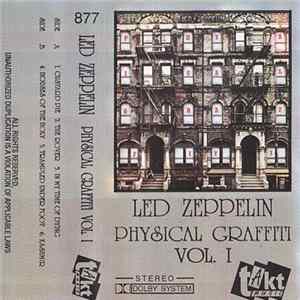
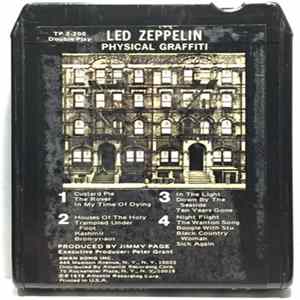
Physical Graffiti - Led Zeppelin. Лента с персональными рекомендациями и музыкальными новинками, радио, подборки на любой вкус, удобное управление своей коллекцией. Популярно у слушателей. Physical Graffiti. Remastered 2015. Deluxe Version. Physical Graffiti is the sixth studio album by the English rock band Led Zeppelin. It was released as a double album on 24 February 1975 by the group's new record label, Swan Song Records. The band wrote and recorded eight new songs for the album in early 1974 at Headley Grange, a country house in Hampshire, which gave them ample time to improvise arrangements and experiment with recording. The total playing time covered just under three sides of an LP, so they decided to expand it into a double by. Led Zeppelin - Physical Graffiti 1975. Graffiti is the sixth studio album by the English rock band Led Zeppelin. It was released as a double album on 24 February 1975 by the group's new. Формируйте собственную коллекцию записей Led Zeppelin returned from a nearly two-year hiatus in 1975 with the double-album Physical Graffiti, their most sprawling and ambitious work. Where Led Zeppelin IV and Houses of the Holy integrated influences on each song, the majority of the tracks on Physical Graffiti are individual stylistic workouts. The highlights are when Zeppelin incorporate influences and stretch out into new stylistic territory, most notably on the tense, Eastern-influenced Kashmir. Physical Graffiti only confirms Led Zeppelins preeminence among hard rockers. Although it contains no startling breakthroughs, it does afford an impressive overview of the bands skill. On Houses of the Holy, Plants lyrics mesh perfectly with Pages stuttering licks. Naturally, Graffiti is not without faults - Zeppelin is too intuitive a band to cut a flawless album. Although Page and Bonham mount a bristling attack on The Rover, this track, like several others, suffers from Plants indefinite pitch. Other cuts, such as the ten-minute Kashmir and In My Time of Dying, succumb to monotony. Physical Graffiti is the sixth studio album by the English rock band Led Zeppelin, released as a double album on 24 February 1975 by their newly founded imprint label Swan Song Records. The band wrote and recorded eight new songs for the album at Headley Grange, which stretched the total time of the record beyond the typical length of a single LP, so the band decided to make Physical Graffiti a double album by including unreleased tracks from earlier recording sessions: one outtake from Led Zeppelin III, three from Led Zeppelin IV, and three from. Houses of the Holy, including the unused title. Physical Graffiti Remastered. Led Zeppelin. Rock 1975. While each of those first five records was created during a concentrated period of recording, much of the sixth, the double LP Physical Graffiti, drew from material developed at earlier sessions. Physical Graffiti was Led Zeppelins sixth album their first double, and the first on their own Swan Song Records label. The title was the idea of Jimmy Page to illustrate the sheer slapdash energy of the album. With personal photographs, memorabilia, fascinating anecdotes, and fan stories that have never been published before